.svg)
Safe & Advanced Laparoscopic Gynecology Surgery
Minimally invasive procedures for diagnosing and treating gynecological conditions with smaller scars, faster recovery, and less pain.



.svg)


What is Laparoscopic Gynecology Surgery?
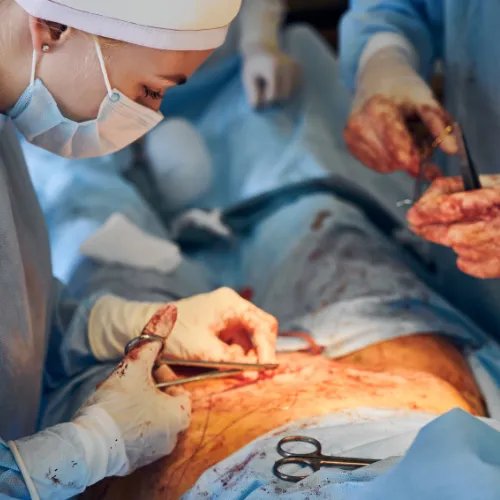
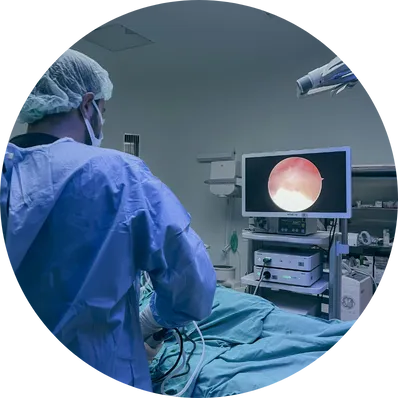
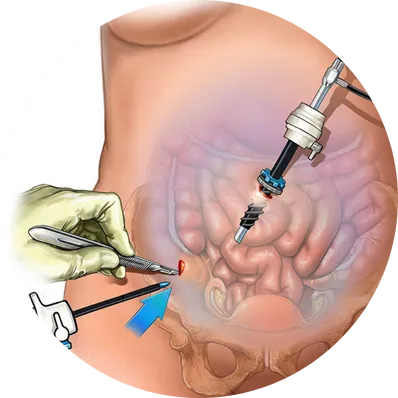
Laparoscopic surgery is a minimally invasive technique where small incisions and a laparoscope (camera) are used to view and operate on the pelvic organs. It is used for both diagnosis and treatment of gynecological conditions, offering quicker recovery, minimal pain, and fewer complications compared to traditional open surgery.
Symptoms


.webp)
.webp)
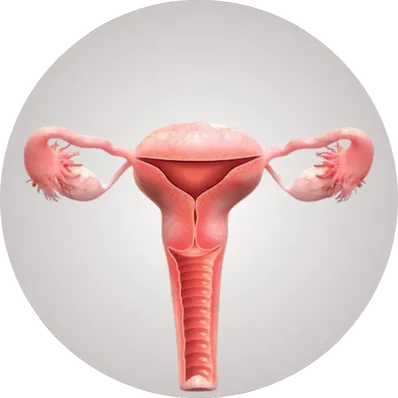
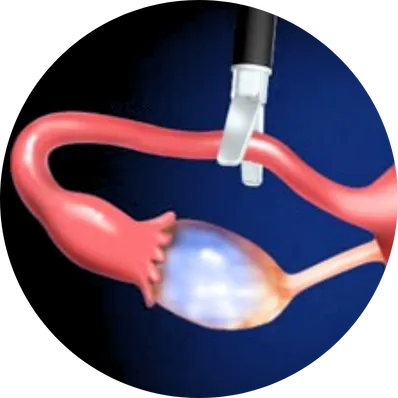
Causes (Conditions Treated by Laparoscopy)





Types of Laparoscopic Gynecologic Surgeries
Diagnosis (Before Surgery)






Laparoscopic Gynecology Surgery Treatment
This procedure is used to examine the uterus, ovaries, fallopian tubes, and pelvic cavity.Indicated for:
• Unexplained pelvic pain
• Infertility
• Suspected endometriosis
• Pelvic adhesionsThe surgeon inspects the pelvic organs and may treat minor issues during the samesession.
Used to remove ovarian cysts while preserving healthy ovarian tissue.
• Small incisions are made
• The cyst is separated and extractedRecommended for functional, dermoid, chocolate, or complex cysts.
The uterus is removed through small abdominal incisions.Indicated for:
• Fibroids
• Adenomyosis
• Abnormal bleeding
• Early-stage cancers (selected cases)
Types include total laparoscopic hysterectomy (TLH) and laparoscopic-assistedvaginal hysterectomy (LAVH).
This procedure removes uterine fibroids while preserving the uterus.
• Ideal for women wanting fertility
• Minimally invasive with quicker recoverySuitable for multiple or moderate-sized fibroids.
Used to diagnose and treat endometriosis.
• Endometrial implants are removed or ablated
• Adhesions are releasedThis improves pain and enhances fertility in many cases.
Performed for:
• Treating blocked fallopian tubes
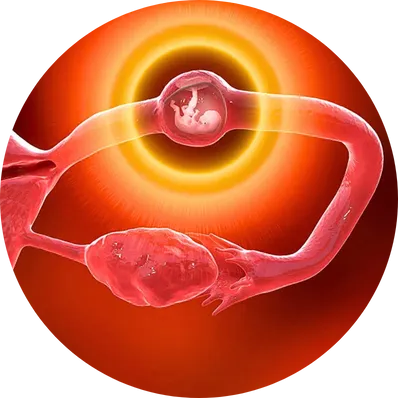
• Removing ectopic pregnancy
• Tubal ligation (family planning)This procedure restores or blocks fertility depending on the patient’s needs.
Adhesions (scar tissue) are cut and removed to:
• Relieve chronic pelvic pain
• Improve fertility
• Restore pelvic anatomyCommon after previous surgeries or infections.
When the ovary twists, cutting off its blood supply, laparoscopy helps:
• Untwist the ovary
• Remove cysts causing torsionThis preserves ovarian function in most cases.
When the ovary twists, cutting off its blood supply, laparoscopy helps:
• Untwist the ovary
• Remove cysts causing torsionThis preserves ovarian function in most cases.
Why You Should Not Delay
Delaying laparoscopic treatment can worsen pelvic pain, heavy bleeding, infertility, and risks from conditions like fibroids, endometriosis, or ectopic pregnancy. Early intervention ensures better outcomes with faster recovery.

Why Us?
With Healic you get Trustworthy Care, Affordable Prices and Parivaar Jaisi Dekhbhal.
6 Hospitals; 4 Under Construction
Patients Served Last Year
Expert Doctors & Surgeons
Expert Care Team

Real Patient Stories
Frequently Asked Questions
Laparoscopic gynecology surgery uses small incisions and a camera to diagnose or treat conditions of the uterus, ovaries, and fallopian tubes. Yes, Healic provides advanced minimally invasive laparoscopic procedures.
Healic may recommend laparoscopy for pelvic pain, infertility, endometriosis, ovarian cysts, fibroids, ectopic pregnancy, PID complications, or for procedures like hysterectomy or tubal ligation.
Under general anesthesia, a small incision is made near the belly button, CO₂ gas inflates the abdomen, and a camera is inserted. Additional tiny incisions allow instruments to treat the condition safely.
Most patients resume light activities in 2–3 days and recover fully within 1–2 weeks. Healic offers close follow-up to support healing and minimize discomfort.
Risks include bleeding, infection, or injury to nearby organs, but these are uncommon. Healic’s skilled gynecologists and advanced laparoscopic technology ensure high safety and faster recovery.
Don’t worry, our expert team will guide you through diagnosis, treatment options, and recovery. Share your question and we’ll respond quickly.
Get Expert Advice
.svg)
.svg)
.svg)
.svg)